Compare the four series listed in More Superhard’s published category. Choose by the workpiece task: flat-face finishing and blade-edge sharpening are different applications.
4 records
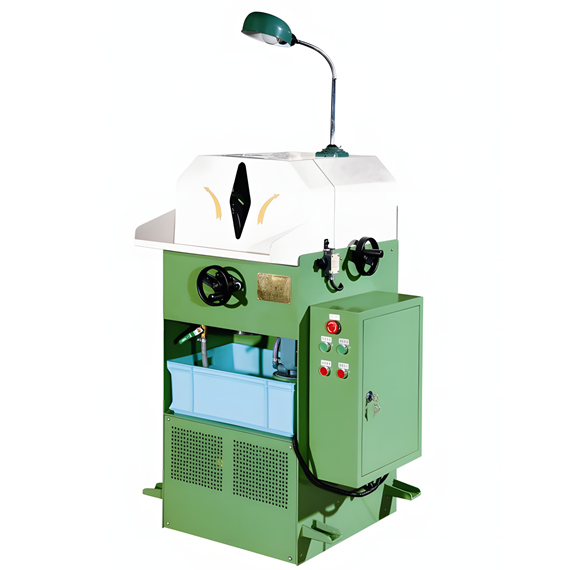
KS20A Double-Sided Edge Grinding Machine
A dedicated edge-finishing system for knives and scissors. Opposed helical wheels work on both sides of an edge, with an integrated dressing unit to maintain wheel condition.
Preset sharpening angles for different blade geometries
In-place wheel dressing for repeated sharpening work
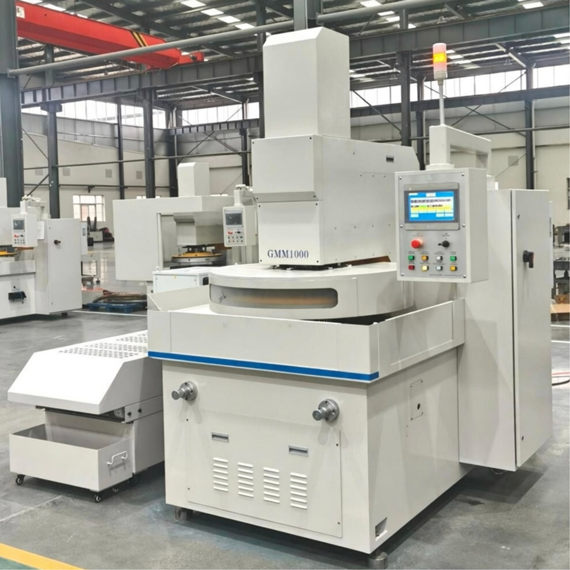
A double-sided surface-processing platform with a cast machine bed, a swing-out upper plate and an inner-ring servo drive. Its configuration specification covers wheel drives, measurement, pneumatics, coolant filtration and supplied equipment.
Swing-out upper plate supports workpiece access
Magnescale size control and SMC pneumatic components are listed
Ø1000 × Ø450 mm grinding wheels; 6 mm abrasive layer
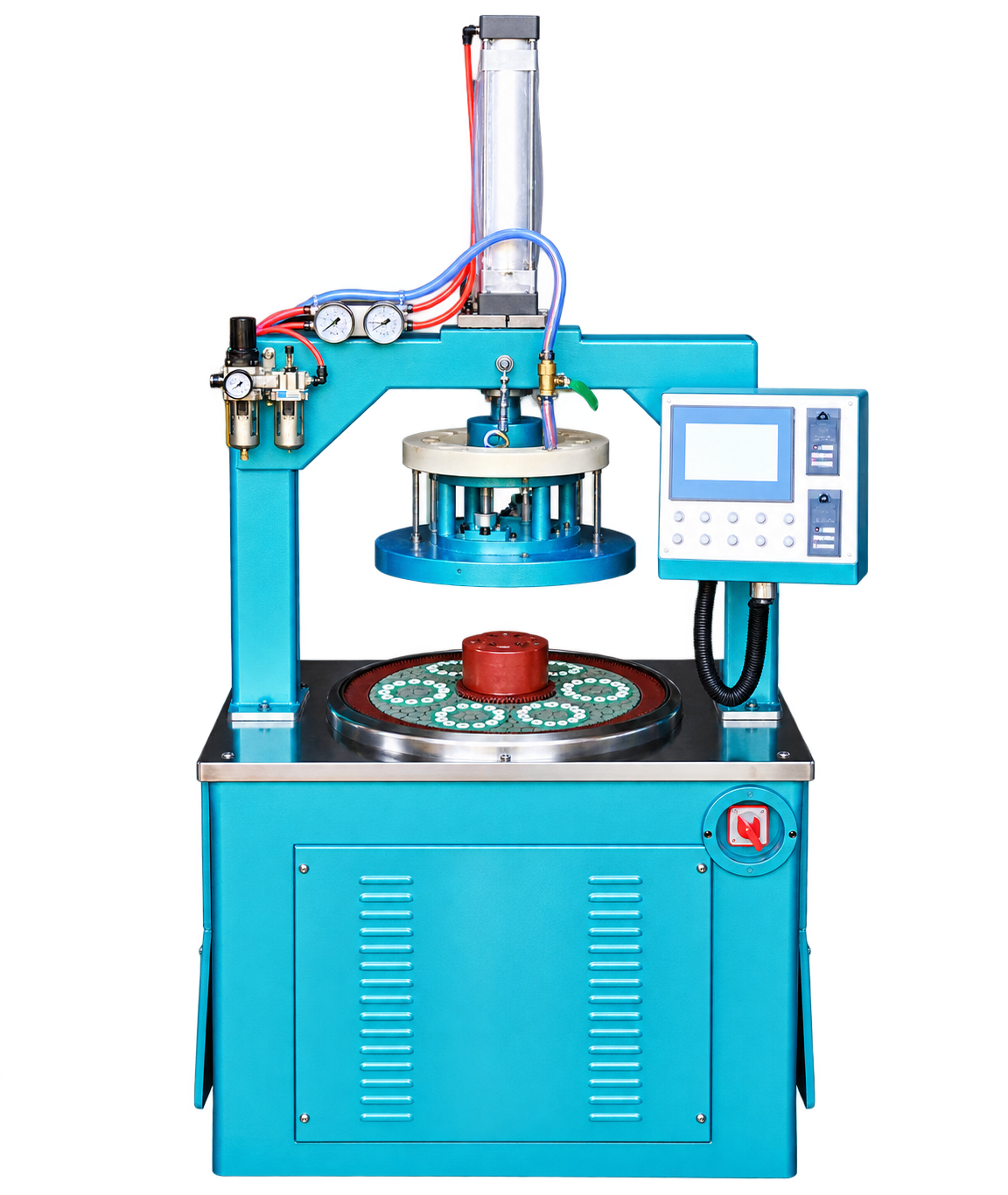
The MSH-400ET, MSH-610ET and MSH-900ET family coordinates the upper disc, lower disc, sun gear and carriers for simultaneous work on both faces. NC tracking and pneumatic feedback control manage the grinding cycle.
Three models cover published maximum workpiece diameters of 100 / 180 / 300 mm
Variable-frequency control provides controlled starting and stopping
Timed cycles and pressure control support process set-up
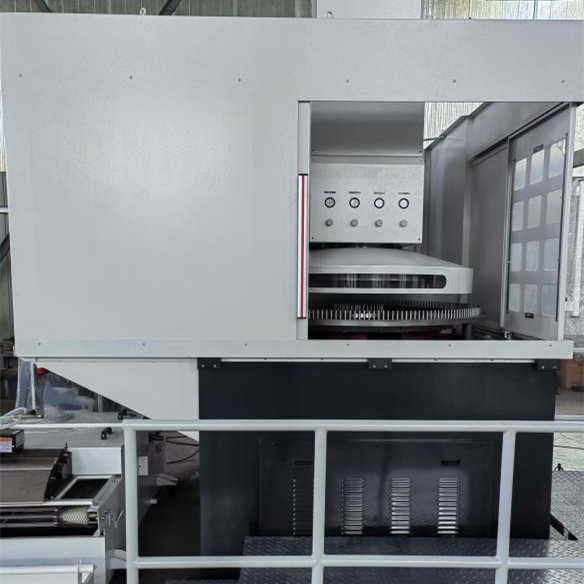
The MSH-906, MSH-915 and MSH-1015 series combines a rigid cast base, opposed wheel operation and controlled pressure for flat-part finishing. Non-contact measurement, touch-screen operation and semi-automatic handling support process control.
Wheel diameters: 750 / 1000 / 1200 mm
Maximum workpiece diameters: 180 / 310 / 400 mm
Upper and lower drive powers: 5.5 / 7.5 / 10.5 kW per model
Start with workpiece geometry and surface targets, then check wheel size, drive configuration, control and handling requirements. Detailed pages retain the model tables and explicitly mark source values that need technical clarification.